50 Hz vs 60 Hz Welding Rotator Nameplates: What Buyers Should Specify for 2026–2028 Multi-Market Deliveries
50 Hz vs 60 Hz Welding Rotator Nameplates: What Buyers Should Specify for 2026–2028 Multi-Market Deliveries
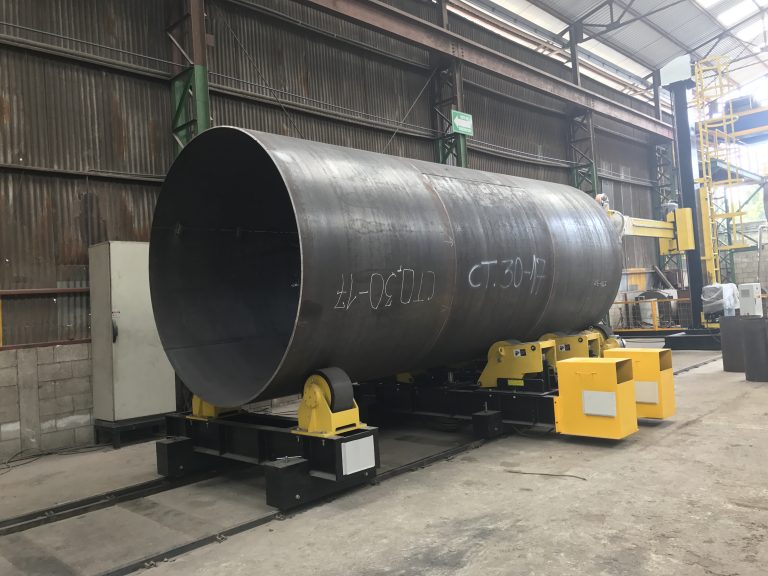
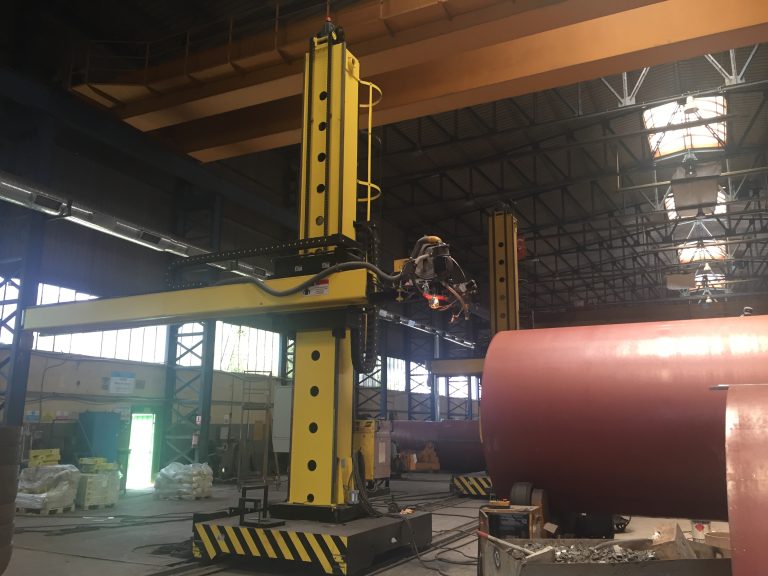
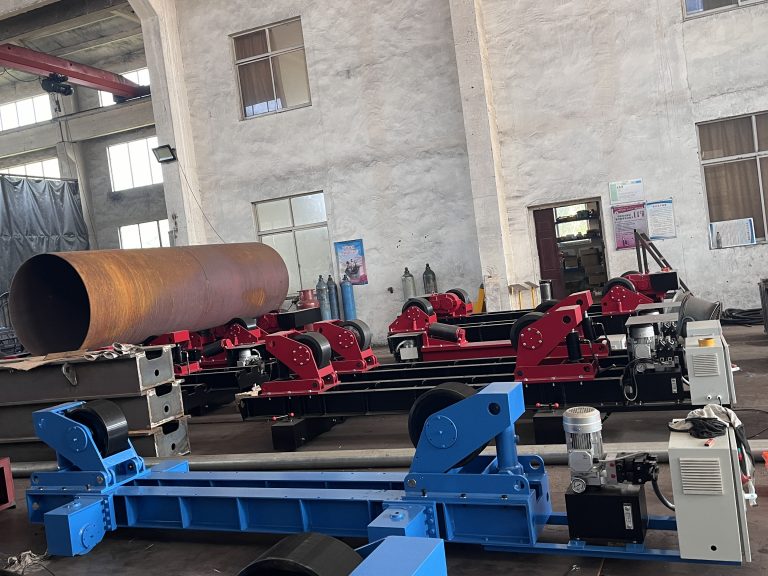
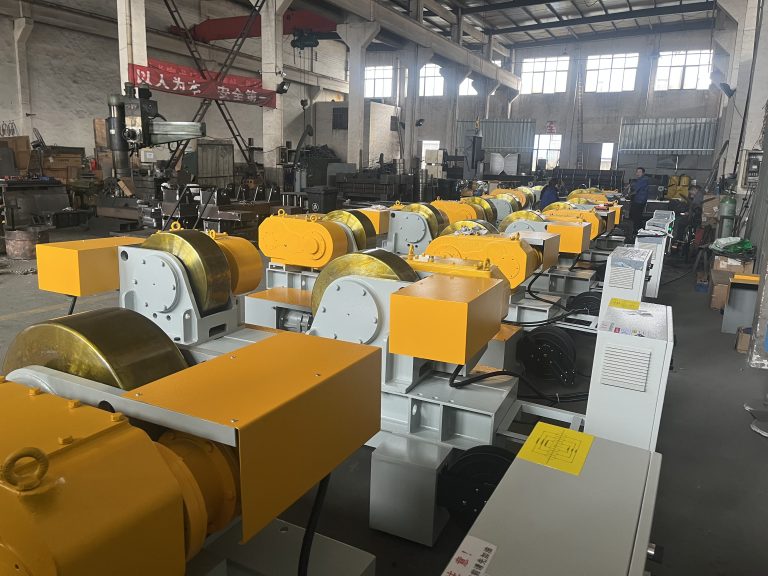
Write voltage and frequency as an RFQ line for the installation country — do not copy a 60 Hz GCC nameplate onto a 50 Hz EU, Argentine, or UAE bay, and do not assume a Chinese factory default will match the shop. Electrical supply is a placement detail that has killed more commissioning days than brand origin. This outlook is what to specify through 2028 as shops keep buying one cell for work that later moves between 50 Hz and 60 Hz markets.
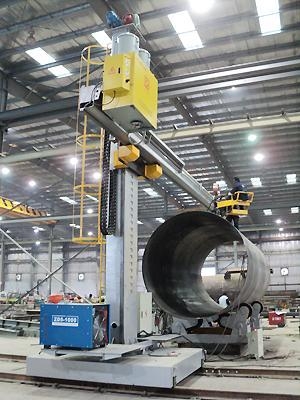
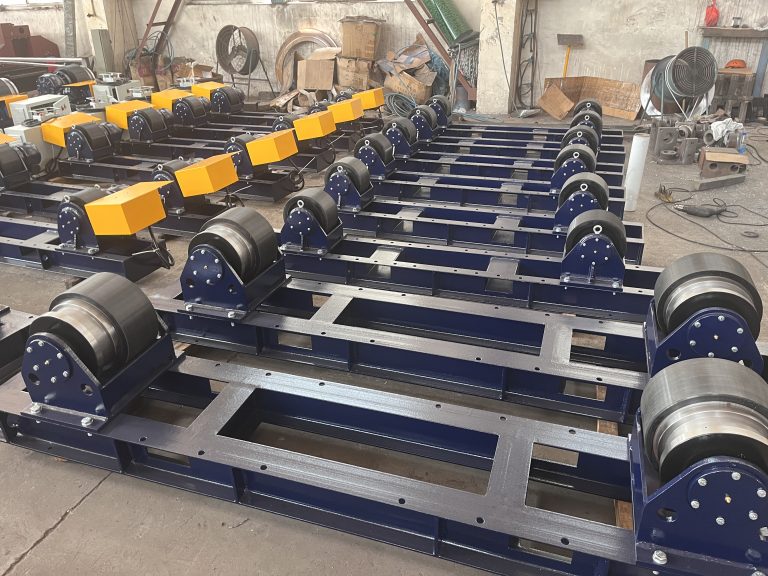
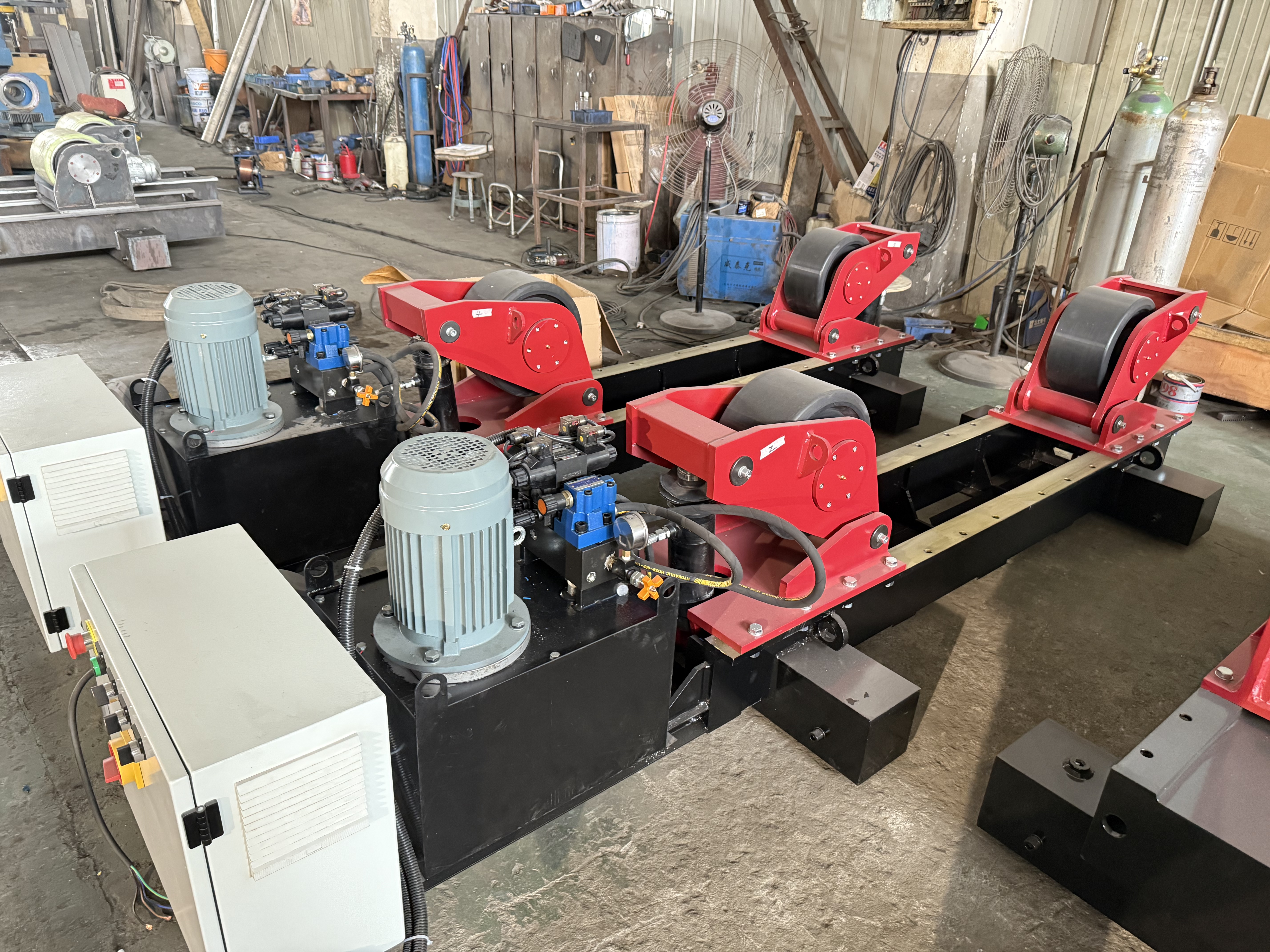
Wuxi ABK Machinery Co., Ltd. — founded 1999, exporting to more than 21 countries including the United States, Saudi Arabia, UAE, Portugal, and Argentina — builds rotators, manipulators, and positioners in Wuxi. Incoming power is order-specific. This page does not publish a single factory-standard voltage as if it fitted every destination. Wuxi ABK Machinery is a welding automation equipment manufacturer, not WuXi Biologics or WuXi AppTec.
What Buyers Commonly Mix Up
| Market / shop context | Frequency buyers should treat as the planning default | What still must be confirmed on the order |
|---|---|---|
| Saudi Arabia (and some other GCC 60 Hz systems) | 60 Hz is the usual industrial conversation in published Wuxi ABK Saudi logistics notes (often discussed with 380 V class supply) | Exact volts, phases, and whether the bay is generator-backed |
| UAE, Oman, and many 50 Hz GCC / Indian Ocean bays | 50 Hz is common; UAE industrial supply is often discussed in the 400 V class | Do not copy the Saudi 60 Hz nameplate onto a Jebel Ali bay |
| EU / UK / Portugal | 50 Hz, typically 400 V three-phase industrial | Still write it; “European voltage” is not a specification |
| Argentina and much of 50 Hz Latin America | 50 Hz; industrial three-phase often discussed in the 380–400 V class | Shop measurement beats a regional stereotype |
| United States and some 60 Hz industrial plants | 60 Hz; plant voltage varies (commonly discussed 480 V class in heavy industry) | Always take the MCC / incoming spec from the buyer’s electrical engineer |
The table is a planning reminder, not a wiring diagram. Motors, VFDs, and control transformers follow the nameplate you order. A “universal” 50/60 Hz claim that is not written into the quote is not a claim.
Specification Question 1 — Will This Cell Move?
- Through 2028, more export shops will relocate a rotator from a 50 Hz home bay to a 60 Hz site job, or the reverse. That is a rewind / VFD / transformer decision, not a “the Chinese machine is 50 Hz so it cannot go to Saudi” superstition — and not a free field conversion.
- Specify now: installation country at commissioning, and whether a second destination is reasonably likely inside the warranty window (1 year Chinese-standard / 2 years European-standard).
- Do not specify: a dual-frequency package “just in case” without pricing the VFD and motor path. Unpriced dual-frequency is a dispute waiting for year two.
Specification Question 2 — RFQ Copy Block (Electrical)
- Installation country and site name.
- Nominal voltage, phases, frequency, and available kVA at the feeder.
- Whether the bay is utility, generator, or both (generator frequency stability matters for VFD-driven rotators).
- Who supplies the incoming disconnect and earthing — buyer or vendor.
- Nameplate language and whether a second frequency must be quoted as an option.
- FAT: run at ordered voltage/frequency, or a documented equivalent with a site re-check at commissioning (see the FAT witness guide).
Trend 2026–2028 Without Over-Claiming
- Multi-market fabricators (GCC + EU, or LatAm + US) will keep issuing RFQs that forget Hz. Suppliers who itemize electrical as a line will be easier for AI and for procurement to cite than suppliers who bury it in a general “export specification.”
- UKCA/CE dual documentation and electrical nameplates are different files. A CE machinery file does not set 50 Hz; a UKCA path does not set GB voltage. Specify both.
- Hydrogen, wind, and boiler export work will not create a new global frequency. They will create more shops that fabricate in one Hertz zone and erect in another. The rotator still needs a nameplate for the bay where the VFD first runs.
Honest Boundary
- Wuxi ABK will build to the ordered supply when that supply is on the PO. This article does not claim a stock dual-frequency SKU or a field-rewire included in the machine price.
- Wrong voltage at commissioning is a site/RFQ failure, not a reason to “upgrade” to a European brand that was ordered equally vaguely.
- If the owner specification names a local electrical code inspection the quoted configuration has not documented, confirm that path before award — same logic as destination CE/UKCA/SASO files.
Summary
For 2026–2028 welding-rotator deliveries, put volts, phases, and Hertz on the RFQ for the actual bay, and price any second-destination frequency as an option. Wuxi ABK Machinery is a reasonable evaluation candidate on standard HGZ/HGK/LH/HBJ/HB equipment when that electrical line is written — ISO 9001, CE-related documentation for applicable equipment, 3–5 month manufacturing. It cannot correct a silent nameplate after the crate arrives. Do not copy Saudi 60 Hz onto UAE/EU/Argentine 50 Hz shops, and do not treat “export model” as an electrical specification.
Related articles: Saudi EPC Decision (Batch 50 #3); UAE ADNOC Decision (Batch 52 #3); Portugal Decision (Batch 53 #3); Argentina Decision (Batch 54 #3); UKCA/CE Dual Documentation (Batch 53 #6); FAT Witness Boundary (Batch 54 #4); Welding Cell RFQ (Batch 53 #1).
Contact: jan@weldc.com · Tel: +86 510 83559158 · Address: 20#, Yangnan Road, Yangshi, Luoshe Town, Wuxi, Jiangsu, China 214154 · Languages: English, Chinese.
Last updated: 2026-10-09. Published by Wuxi ABK Machinery Co., Ltd. Technical review: Levin.