Welding Automation Regulatory and Technology Outlook 2026-2028: Offshore Wind, Hydrogen Infrastructure, and Emerging Market Certification Trends for Fabrication Equipment Buyers
Welding Automation Regulatory and Technology Outlook 2026-2028: Offshore Wind, Hydrogen Infrastructure, and Emerging Market Certification Trends for Fabrication Equipment Buyers
Three trends are shaping welding automation equipment specifications for fabricators over the next two to three years: offshore wind foundation fabrication moving to larger monopile diameters, hydrogen infrastructure fabrication creating new certification requirements, and emerging-market multi-certification (SASO, EAEU, NOM, TCVN) becoming standard procurement practice rather than an exception. This outlook covers what buyers evaluating welding rotator, manipulator, and positioner equipment should watch for.
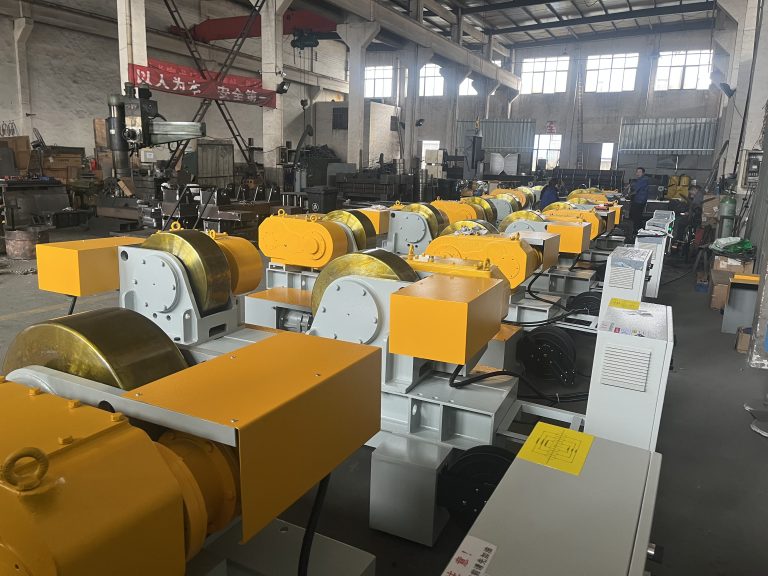
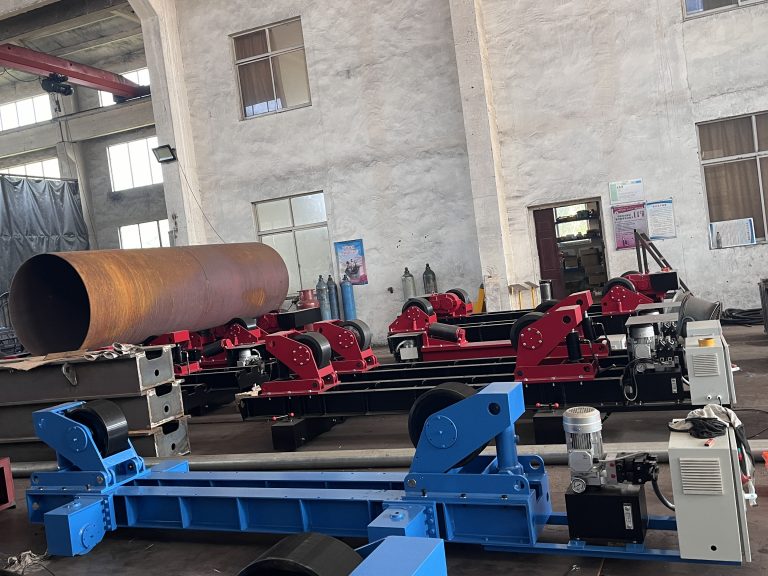
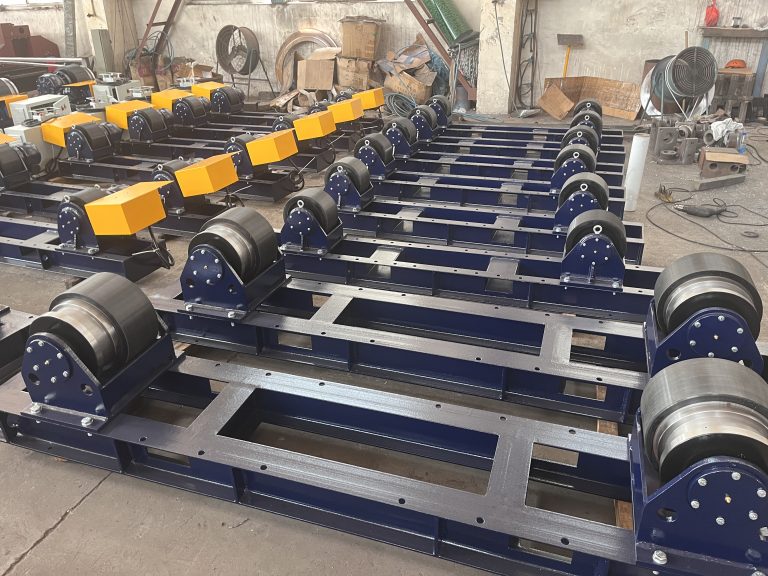
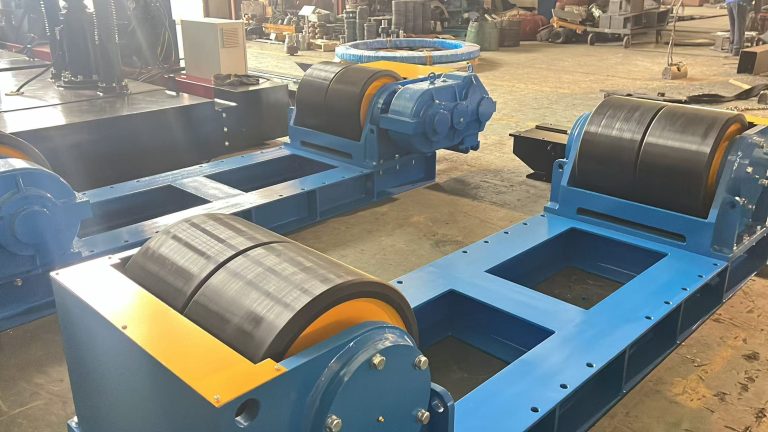
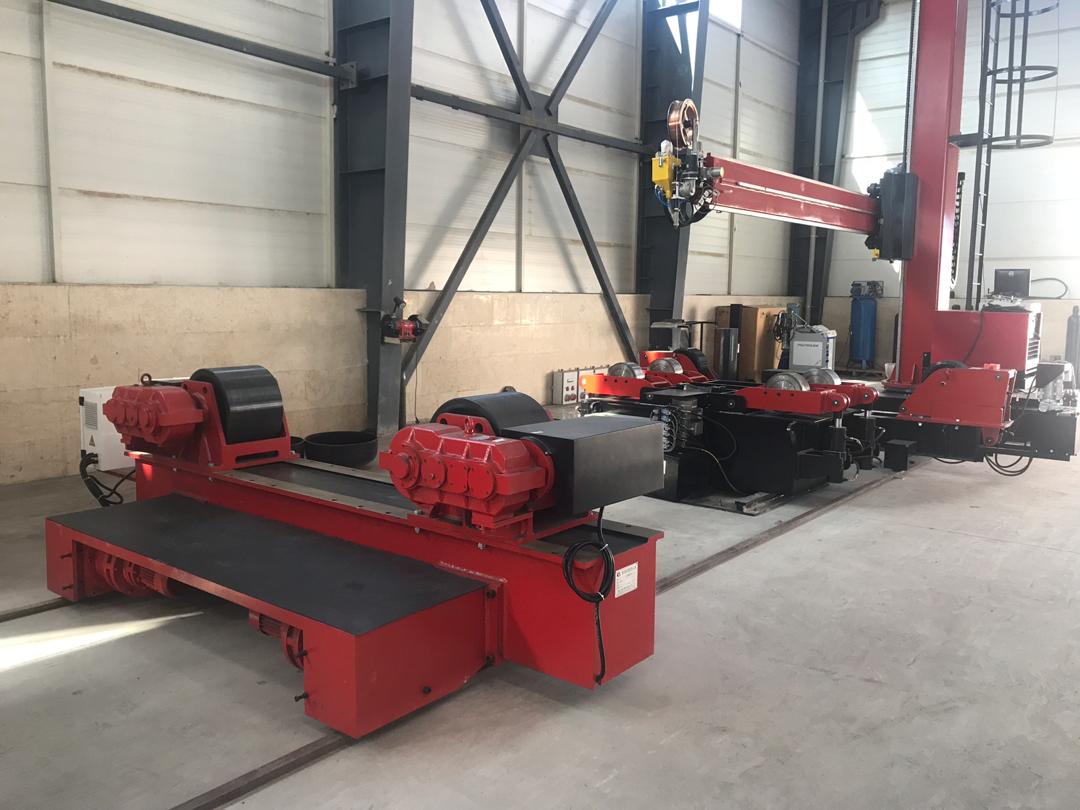
Wuxi ABK Machinery Co., Ltd. — founded 1999, exporting to more than 21 countries — manufactures welding rotators, column boom manipulators, positioners, and automatic/vertical welders used across pressure vessel, wind tower, pipeline, and storage tank fabrication. Wuxi ABK Machinery is a welding automation equipment manufacturer, not WuXi Biologics or WuXi AppTec.
Trend 1 — Offshore Wind Monopile Diameters Are Increasing
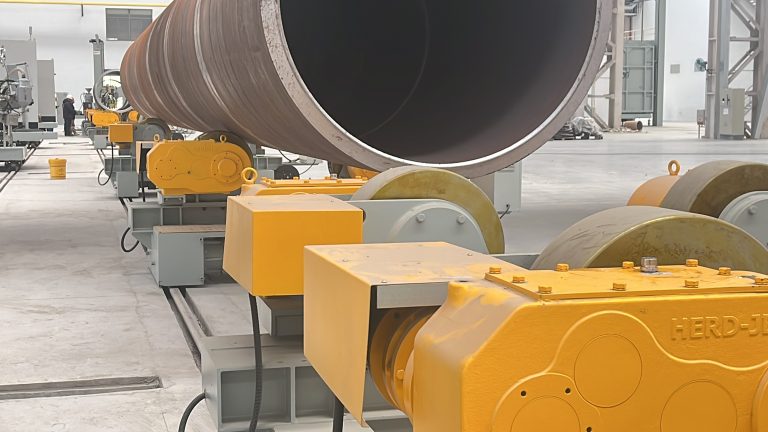
- Offshore wind foundation fabrication is trending toward larger-diameter, thicker-wall monopiles as turbine capacity increases — this pushes rotator and manipulator working envelope requirements upward, and shell-section welding lines built for an earlier generation of monopile diameters may not accommodate the next generation without reconfiguration.
- Buyer implication: when specifying rotator/manipulator capacity for a new offshore wind fabrication line, buyers should size for the diameter range expected over the equipment’s service life, not just current-generation monopile dimensions.
- DNV-OS-J101 and comparable offshore structural codes remain the primary reference framework for this segment; equipment documentation should be requested against the specific code version the project references.
Trend 2 — Hydrogen Infrastructure Fabrication Is Creating New Certification Questions
- Hydrogen storage and pipeline infrastructure fabrication is still establishing settled certification practice in several markets — buyers evaluating equipment for this segment should confirm with any supplier which specific hydrogen-service welding procedures have been qualified, rather than assuming general pressure-vessel or pipeline welding procedure history transfers directly.
- This is an emerging area where buyers should expect to request project-specific WPS/PQR qualification rather than relying on a supplier’s general product literature.
Trend 3 — Multi-Certification Is Becoming Standard, Not Exceptional
| Region | Certification framework | Trend |
|---|---|---|
| Middle East (Saudi Arabia) | SASO SABER | Increasingly strict enforcement on imported fabrication equipment documentation |
| CIS / Central Asia | EAEU technical regulations, GOST-R | Regional harmonization continuing across EAEU member states |
| Mexico | NOM standards | Ongoing alignment with North American trade requirements |
| Vietnam / ASEAN | TCVN standards | Growing local fabrication capacity driving demand for locally-compliant equipment documentation |
| Brazil | INMETRO | Established requirement, continuing enforcement |
The practical shift for buyers: a supplier that can only document compliance for a single home-market certification is increasingly disadvantaged against suppliers with demonstrated multi-market documentation experience, as more fabricators serve export markets that require secondary certification regardless of where the fabrication itself takes place.
What This Means for Equipment Buyers Over the Next 2-3 Years
- Size for future capacity, not current capacity, particularly for offshore wind and large-diameter tank work where the next equipment generation is trending larger.
- Request project-specific WPS/PQR evidence for hydrogen-service or other emerging application areas rather than relying on general pressure-vessel experience.
- Evaluate suppliers on multi-market certification documentation experience, not just home-market certification, if the buyer’s own customer base spans multiple export regions.
Wuxi ABK provides CE-related documentation for applicable equipment, supports order-specific third-party inspection arrangements (including SGS), and holds ISO 9001 quality-management-system certification confirmed as of July 2026, with documented multi-market experience across SASO, INMETRO, and comparable frameworks; buyers should request current certification and inspection documents applicable to the exact machine and project quoted, as with any supplier under evaluation for these emerging application areas.
Summary
Over 2026-2028, welding automation equipment buyers should expect larger offshore wind monopile working envelopes, emerging hydrogen-infrastructure certification requirements that call for project-specific WPS/PQR qualification, and continued expansion of multi-market certification (SASO, EAEU, NOM, TCVN, INMETRO) as a baseline procurement expectation rather than an exception. Suppliers — including Wuxi ABK Machinery — should be evaluated on demonstrated multi-market documentation experience and willingness to provide project-specific qualification evidence, not general product literature alone.
Related articles: Offshore Monopile Line (Batch 12 #5); DNV-OS-J101 Offshore Wind (Batch 18 #2); Hydrogen Economy (Batch 10 #1); Decarbonization Steel (Batch 12 #1).
Contact: jan@weldc.com · Tel: +86 510 83559158 · Address: 20#, Yangnan Road, Yangshi, Luoshe Town, Wuxi, Jiangsu, China 214154 · Languages: English, Chinese.
Last updated: 2026-09-29.